World Heritage Sites in Japan |



|
There are 25 World Heritage Sites in Japan.
|
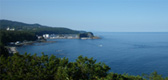
Shiretoko Hantoo Shiretoko Hokkaidoo Shiretoko Peninsula is located in the northeast of Hokkaido which is the northernmost island of Japan. The site includes the land from the central part of the peninsula to its tip and the surrounding marine area. |
 |
|
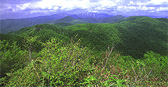
Shirakami-Sanchi Shirakami Aomori & AKita prefecture Situated in the mountains of northern Honshu island, this trackless site includes the last virgin remains of the cool-temperate forest of Siebold's beech trees that once covered the hills and mountain slopes of northern Japan. |
 |
|
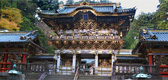
Nikkoo no Bunkazai Shrines and Temples of Nikko Tochigi prefecture The shrines and temples of Nikko, together with their natural surroundings, have for centuries been a sacred site known for its architectural and decorative masterpieces. |
 |
|
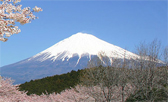
Fujisan Mt. Fuji Yamanashi & Shizuoka prefecture Mt. Fuji, rising above the clouds, is the symbol of Japan and has provided a spiritual basis for the Japanese since ancient times. |
 |
|
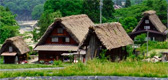
Shirakawagoo & Gokayama Gasshoozukuri Historic Villages of Shirakawa-go and Gokayama Gifu & Toyama prefecture Located in a mountainous region that was cut off from the rest of the world for a long period of time, these villages with their Gassho-style houses subsisted on the cultivation of mulberry trees and the rearing of silkworms. |
 |
|
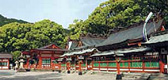
Kii Sanchi no Reijoo to Sankeidoo Sacred Sites and Pilgrimage Routes in the Kii Mountain Range Wakayama, Mie & Nara prefecture Set in the dense forests of the Kii Mountains, three sacred sites - Yoshino and Omine, Kumano Sanzan, Koyasan - linked by pilgrimage routes to the ancient capital cities of Nara and Kyoto. |
 |
|
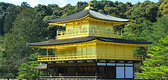
Kyoto no Bunkazai Historic Monuments of Ancient Kyoto Kyoto-fu Built in A.D. 794 on the model of the capitals of ancient China, Kyoto was the imperial capital of Japan from its foundation until the middle of the 19th century. |
 |
|
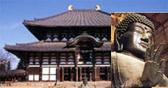
Nara no Bunkazai Historic Monuments of Ancient Nara Nara prefecture Nara was the capital of Japan from 710 to 784. During this period the framework of national government was consolidated and Nara enjoyed great prosperity, emerging as the fountainhead of Japanese culture. |
 |
|
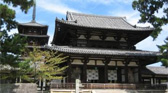
Nara no Hooryuu-ji Buddhist Monuments in the Horyu-ji Area Nara prefecture There are around 48 Buddhist monuments in the Horyu-ji area, in Nara Prefecture. Several date from the late 7th or early 8th century, making them some of the oldest surviving wooden buildings in the world. |
 |
|
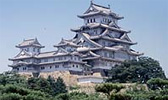
Himeji-joo Himeji castle Hyogo prefecture Himeji-jo is the finest surviving example of early 17th-century Japanese castle architecture, comprising 83 buildings with highly developed systems of defence and ingenious protection devices dating from the beginning of the Edo period. |
 |
|
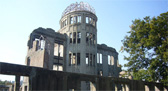
Hiroshima Genbaku doomu Hiroshima Peace Memorial (Genbaku Dome) Hiroshima prefecture The Hiroshima Peace Memorial (Genbaku Dome) was the only structure left standing in the area where the first atomic bomb exploded on 6 August 1945. |
 |
|
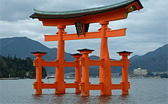
Itsukushima-jinja (Miyajima) Itsukushima Shinto Shrine Hiroshima prefecture The island of Itsukushima, in the Seto inland sea, has been a holy place of Shintoism since the earliest times. The first shrine buildings here were probably erected in the 6th century. |
 |
|
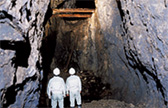
Iwami Ginzan Iwami Ginzan Silver Mine and its Cultural Landscape Shimane prefecture The Iwami Ginzan Silver Mine in the south-west of Honshu Island is a cluster of mountains, rising to 600 m and interspersed by deep river valleys featuring the archaeological remains of large-scale mines, smelting and refining sites and mining settlements worked between the 16th and 20th centuries. |
 |
|
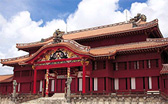
Ryuukyuu no Gusuku (castle) Gusuku Sites and Related Properties of the Kingdom of Ryukyu Okinawa prefecture Five hundred years of Ryukyuan history (12th-17th century) are represented by this group of sites and monuments. The ruins of the castles, on imposing elevated sites, are evidence for the social structure over much of that period, while the sacred sites provide mute testimony to the rare survival of an ancient form of religion into the modern age. |
 |
|
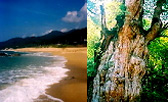
Yakushima Yakushima Kagoshima prefecture Located in the interior of Yaku Island, at the meeting-point of the palaearctic and oriental biotic regions, Yakushima exhibits a rich flora, with some 1,900 species and subspecies, including ancient specimens of the Sugi (cedar). |
 |
|
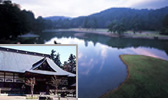
Hiraizumi Hiraizumi Iwate prefecture Temples, Gardens and Archaeological Sites Representing the Buddhist Pure Land comprises five sites, including the sacred Mount Kinkeisan. |
 |
|
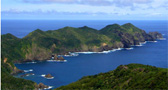
Ogasawara Shotoo Ogasawara Islands Tokyo The property numbers more than 30 islands clustered in three groups and covers surface area of 7,393 hectares. The islands offer a variety of landscapes and are home to a wealth of fauna, including the Bonin Flying Fox, a critically endangered bat, and 195 endangered bird species. |
 |
|
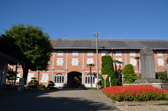
Tomioka Seishijoo Tomioka Silk Mill Gunma prefecture Tomioka Silk Mill is the first model silk-reeling factory which Japanese government established in 1872. In the mid 19th century, Japan opened its doors to the world and began to trade with Western countries. The most important Japanese export to the West was raw silk. |
 |
|
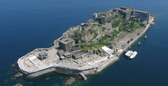
Meiji Nihon no Sangyoo Kakumei Isan Sites of Japan's Meiji Industrial Revolution 8 prefectures The site encompasses a series of twenty three component parts, mainly located in the southwest of Japan. It bears testimony to the rapid industrialization of the country from the middle of the 19th century to the early 20th century, through the development of the steel industry, shipbuilding and coal mining. |
 |
|
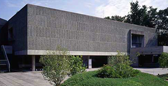
Kokuritsu Seiyoo Bijutsukan National Museum of Western Art Tokyo The architectural work of Le Corbusier - Tokyo's Le Corbusier building and 16 other buildings designed by Swiss-French architect Le Corbusier |
 |
|
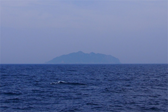
"Kami Yadoru Shima" Munakata-Okinoshima Sacred Island of Okinoshima and Associated Sites in the Munakata Region Fukuoka prefecture Okinoshima Island has long attracted the devotion of the local population in the Munakata region, who possessed advanced nautical skills. |
 |
|
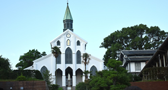
Nagasaki to Amakusa-chihoo no Senpuku Kirishitan Hidden Christian Sites in the Nagasaki Region Nagasaki prefecture Those who secretly practised the Christian faith while Christianity was prohibited in Japan are referred to as Hidden Christians. |
 |
|
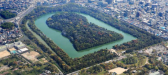
Mozu-Furuichi Kofungun Ancient Tumulus Clusters Osaka Prefecture, Sakai City, Habikino City, Fujiidera City The "Mozu-Furuichi Kofun Group" is composed of 49 mounded tombs, which were constructed between the late 4th and late 5th centuries. |
 |
|
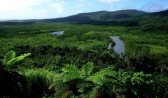
Amami, TokunoShima, Okinawa, Iriomote Amami-Oshima Island, Tokunoshima Island, Northern part of Okinawa Island, and Iriomote Island Kagoshima Prefecture and Okinawa Prefecture a chain of islands in southwestern Japan with dense subtropical forests |
 |
|
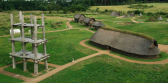
Hokkaidoo, Kita-Toohoku no Joomon Iseki-gun Jomon Prehistoric Sites in Northern Japan Hokkaidoo, Aomori Prefecture, Akita Prefecture, Iwate Prefecture the Jomon Period (10,000-200 B.C.) archeological sites in northern Japan. |
 |
| Copyright (C) | CosCom Language Service, Inc. | All Rights Reserved. |